
What "Sleep Hygiene" Actually Means in 2026
The phrase is everywhere and rarely defined. Here is what sleep hygiene actually covers, what it cannot fix, and the handful of habits worth keeping.
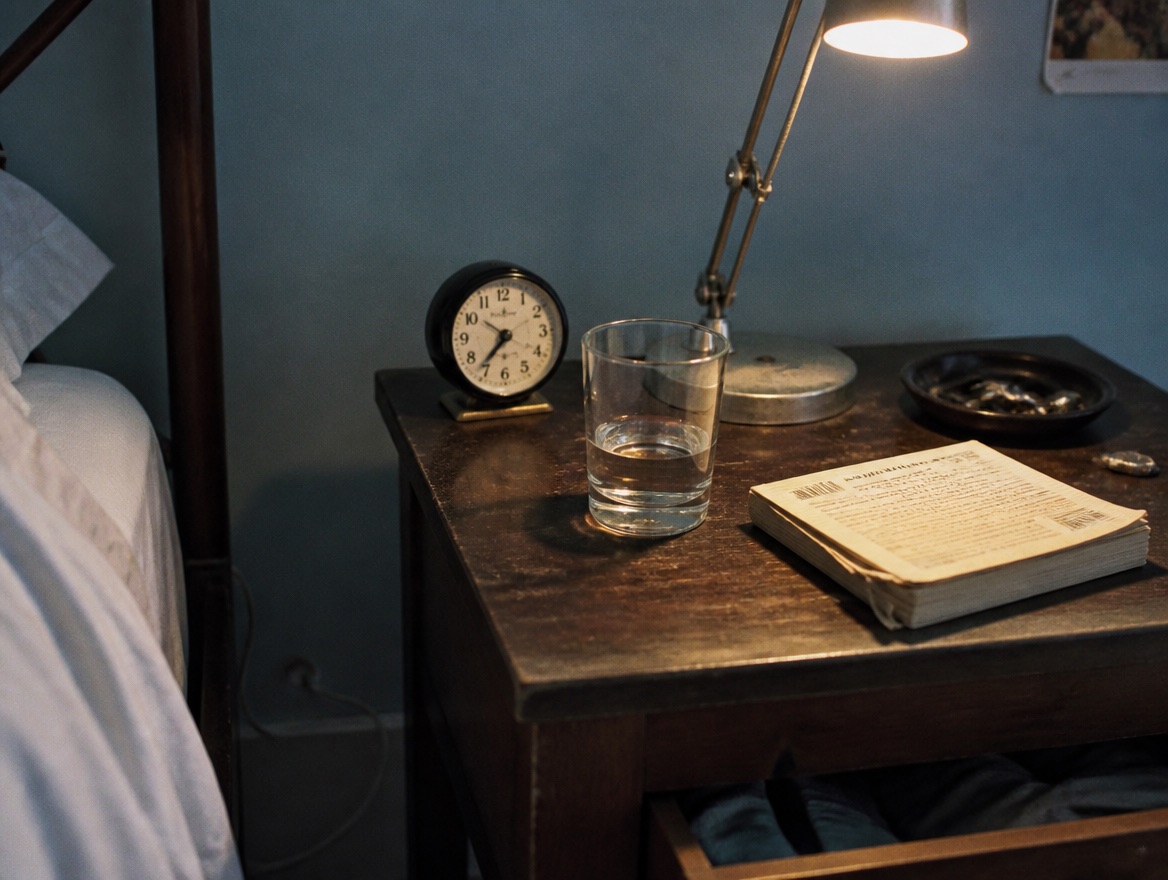
By now you have read the phrase a thousand times. Improve your sleep hygiene. Work on your sleep hygiene. Bad sleep hygiene is ruining your skin, your mood, your metabolism. It appears in newsletters, on supplement bottles, in the captions of mattress ads, and almost nowhere is it actually defined. It has become wellness wallpaper — a soothing noise that signals “we care about sleep” without committing to anything in particular.
That is a shame, because the underlying idea is genuinely useful. It just got loose.
Where the phrase actually comes from
Sleep hygiene started as a clinical term. It described the set of behaviours and environmental factors that either support or sabotage sleep, and it was developed mostly to help people with insomnia stop unintentionally making their own nights worse. Don’t drink coffee at 9 p.m. Don’t lie in bed for two hours arguing with the ceiling. Don’t nap for ninety minutes at six. The list was modest, evidence-aware, and aimed at the people who needed it most.
Then it escaped the clinic. Wellness picked it up, smoothed off the edges, and turned it into a vague badge of virtue. Today “good sleep hygiene” can mean a fifteen-step bedtime ritual, a tracker that scores your night out of a hundred, or simply not looking at your phone in bed. The phrase has stretched so far that it no longer points at anything specific.
So it is worth pulling it back to its useful shape: sleep hygiene is the handful of daily and nightly habits, plus the bedroom itself, that quietly tilt the odds of sleeping well. Nothing more romantic than that.
What it covers, and what it doesn’t
The actual territory is fairly small. It includes the timing of light through your day, the timing of caffeine and alcohol, a roughly consistent sleep and wake window, the bedroom environment — temperature, dark, quiet — what you do in the hour before bed, and what you do when you wake at three in the morning and cannot fall back. That is most of it.
What it doesn’t cover is at least as important, because this is where the wellness version quietly oversells.
| What sleep hygiene can help with | What it can’t fix on its own |
|---|---|
| Mild, occasional trouble falling asleep | Chronic insomnia that has been going for months |
| Drifting bedtimes and a noisy room | Untreated sleep apnea or other sleep disorders |
| Caffeine and alcohol nudging your nights | Shift work that fights your circadian rhythm |
| A phone-heavy wind-down | A baby who wakes four times a night |
| A bedroom that runs too warm | Anxiety or depression wrecking sleep from underneath |
If your sleep has been bad for a long time, or you snore heavily, or you wake gasping, or your mood is sitting somewhere dark, no amount of blackout curtains will get to the root of it. Sleep hygiene is a baseline, not a treatment. Sleep apnea, chronic insomnia, and depression are medical conditions, and the habits in this article are not a substitute for proper assessment and care — please speak to a doctor or qualified clinician if any of that sounds like you. “Bad sleep hygiene” is not a character flaw, either. It is mostly information about a life — a job, a child, a worry, a flat that faces the wrong way — and the habits sit on top of all of that.
The habits with the most evidence behind them
Strip away the noise and a short list keeps appearing in the research. None of these is dramatic on its own. The point is that their small effects compound, and most people only need a few of them in place.
- A roughly consistent wake time. Not a rigid one, but within an hour or so most days. The evidence consistently shows that anchoring the morning matters more than chasing the perfect bedtime. Sleep then drifts towards a sensible window on its own.
- Morning light, soon after waking. Ten to twenty minutes of outdoor light — even on a grey day, outdoors is far brighter than indoors — helps set the body clock for the night ahead. A walk works. A window does not, really.
- No caffeine past early afternoon for most people. Caffeine’s half-life varies a lot between people — somewhere in the rough vicinity of three to seven hours is often cited for healthy adults, and it runs longer for many of us depending on genetics, medications, and pregnancy. A 4 p.m. coffee is often still doing something at midnight, whether or not you notice.
- Alcohol earlier, and less of it, when sleep matters. It puts you under quickly and tends to fragment the second half of the night. The evidence consistently points this way even at modest doses.
- A cool, dark, quiet bedroom. Cool more than cold; dark enough that you can’t read a clock face; quiet, or at least steady. Researchers tend to find this is the single highest-leverage environmental change.
- A wind-down that isn’t the phone. Anything genuinely lower-stimulus than the feed: a book, a shower, a slow tidy, a conversation. The content of the wind-down matters less than the fact that it isn’t a slot machine.
- If you can’t sleep after about twenty minutes, get out of bed. Read something dull under a low light until you feel sleepy, then go back. This sounds counterintuitive, but it is a long-standing piece of cognitive behavioural therapy for insomnia and the evidence behind it is reasonably consistent. Lying in bed awake can teach your brain that the bed is a place for being awake.
That is roughly the whole list. The honest version of sleep hygiene is short.
A gentler frame
It helps to think of these as a quiet floor rather than a regimen. You are not trying to optimise your sleep — that framing is half the problem, because it turns rest into another performance to fail at. You are removing a few of the small things that were nudging your nights in the wrong direction, and otherwise leaving sleep alone. Sleep is generally happy to look after itself if you stop arguing with it.
If your sleep has been poor for months, or you suspect something more is going on — loud snoring, gasping awake, daytime sleepiness that doesn’t lift, low mood underneath it all — please talk to a doctor or a qualified clinician. Sleep hygiene is the wrong tool for those problems, and persisting with it alone can quietly delay the help that would actually work.
The bottom line
Sleep hygiene is not a moral system, a scorecard, or a cure. It is a short list of habits and a quiet room. Anchor the morning, get some daylight, be careful with caffeine and alcohol, keep the bedroom cool and dark, wind down without the phone, and don’t lie in bed losing arguments with the ceiling. When sleep is still bad after all that, it is information, not failure — and worth taking to someone who can look at what sits underneath.