
Staying Hydrated Without Overthinking It
Gentle, cue-based nudges to drink enough through the day — no tracking apps, rigid targets, or constant water-bottle math.
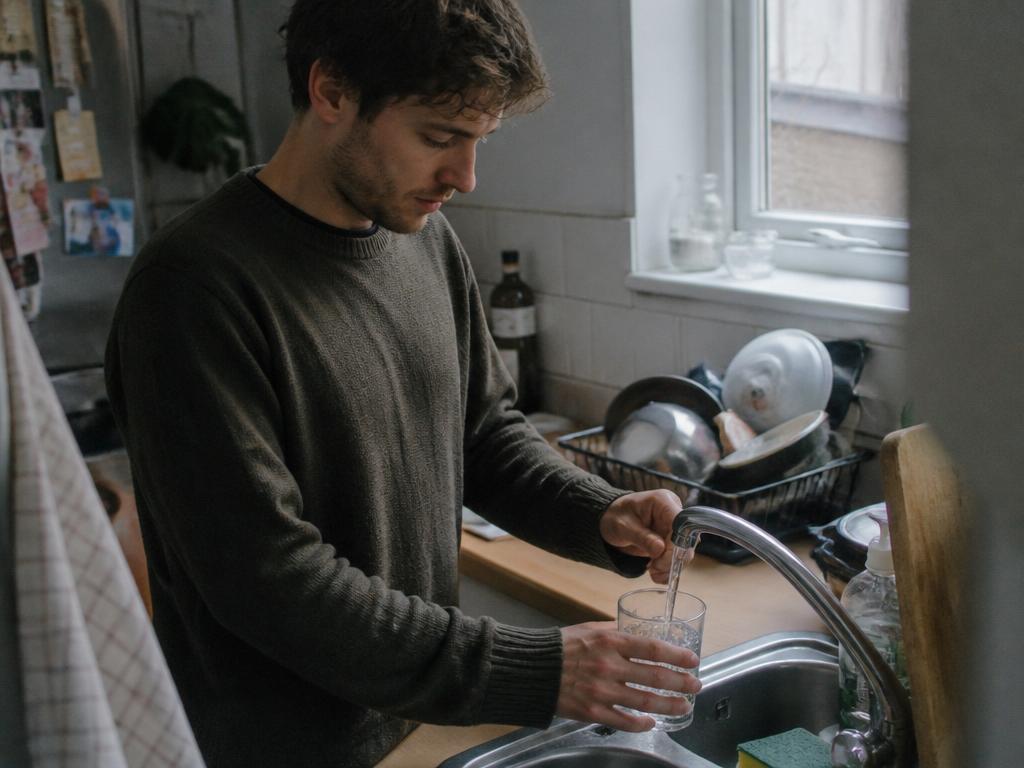
Staying hydrated has somehow become a project — apps, targets, oversized bottles with motivational time stamps. It really doesn’t need to be. For most of us, drinking enough is simpler and gentler than the hydration industry makes it sound.
Cue-based sipping
The easiest way to drink more water isn’t to set a big daily target and grimly chip away at it. It’s to attach drinking to things you already do, so sips happen naturally throughout the day without you having to remember or track anything. Cues do the work that willpower otherwise would.
This works for the same reason habit stacking works: existing routines are reliable triggers. When “have a drink” is tied to a moment that already happens, it stops being something you have to think about and becomes something that just occurs. Spread across a day, those small, cue-prompted sips add up easily.
Some gentle cues to try:
- With each meal and snack. Pairing a drink with eating is one of the simplest, most reliable cues.
- At natural transitions. A glass when you wake up, when you sit down to work, when you take a break, or when you get home.
- Around other habits. A sip after brushing your teeth, before a walk, or whenever you make a hot drink.
- Keep water in sight. A glass or bottle within easy reach is a cue in itself — we drink more when it’s simply there.
The idea isn’t to force water down at set times. It’s to weave small, easy opportunities through your day so hydration happens almost on its own.
Letting food and drinks count
A surprising amount of hydration anxiety comes from imagining that only plain water “counts.” It doesn’t work that way. A good deal of the fluid we take in comes from all sorts of drinks and from food — many foods, especially fruits and vegetables, carry plenty of water along with them.
This is freeing, because it means staying hydrated isn’t solely about chugging glass after glass of water. The soup at lunch, the fruit in the afternoon, the tea in the morning — these all contribute to your overall fluid intake. You’re likely getting more hydration from your ordinary meals and drinks than you give yourself credit for.
A few gentle points to keep in mind:
| Helps with hydration | Worth being mindful of |
|---|---|
| Water and most other drinks | Very sugary drinks, as an everyday default |
| Water-rich foods like fruits and vegetables | Relying only on caffeine or alcohol, which have their own effects |
| Soups, broths, and other liquids | — |
None of this means plain water doesn’t matter — it’s a great, simple default. It just means you can relax about hitting some exact water-only number, because your overall intake is broader than the glass in front of you.
Reading your own thirst
Perhaps the most overlooked hydration tool is the one you were born with: thirst. Your body has a built-in system for signaling when it needs fluid, and for most healthy people going about an ordinary day, listening to it is a perfectly sensible guide. You don’t need an app to tell you what your body already knows.
The trouble is that busy days can drown out the signal — we’re distracted, and we sometimes mistake mild thirst for hunger or a dip in energy. So part of “reading your own thirst” is simply paying a little more attention to it, and responding when it shows up rather than pushing through.
A few practical, gentle cues from your body:
- Notice mild thirst and act on it. A dry mouth or a vague urge to drink is worth honoring rather than ignoring.
- Glance at obvious signs. Things like the color of your urine can offer a rough, low-effort cue — paler generally suggests well-hydrated.
- Mind the easy-to-miss moments. Hot weather, exercise, and illness raise your needs, so lean toward drinking a bit more then.
- Don’t overcorrect. Forcing yourself to drink far beyond thirst isn’t necessary or better. Comfortable and responsive beats rigid and excessive.
For the vast majority of everyday situations, this gentle, intuitive approach — sip with your cues, let food and drinks count, and listen to your thirst — keeps you nicely hydrated without any overthinking.
A small caveat: individual needs vary, and certain health conditions or medications can change how much fluid is right for you. If you have specific concerns about your hydration or health, it’s worth checking with a doctor for guidance tailored to you.
The bottom line
Hydration doesn’t need to be a tracked, targeted ordeal. Lean on simple cues so sips happen naturally, let your meals and other drinks count toward the total, and trust your thirst to guide you the rest of the way. Keep water within easy reach, respond when your body asks, and let go of the math — for most of us, that gentle approach is more than enough.