
Caffeine, Alcohol, and Sleep: Small Tweaks, Better Rest
How everyday drinks quietly shape your sleep quality — and the small timing changes that make a real difference.
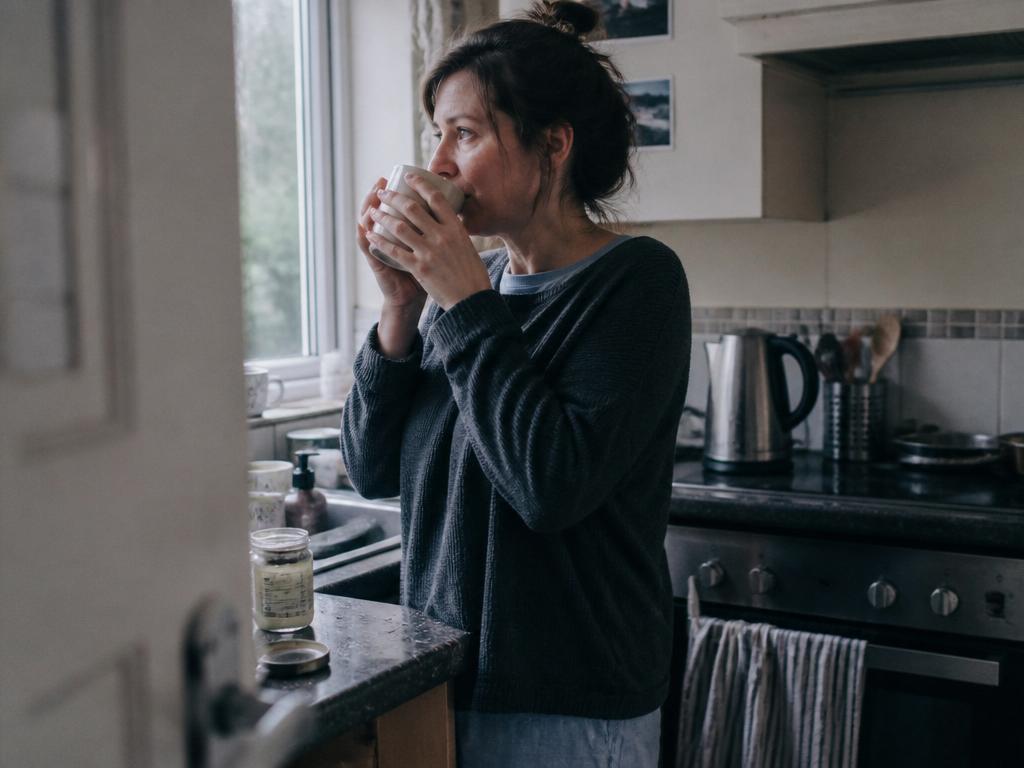
Two of the most common drinks in our lives — coffee and a glass of something in the evening — both have a quiet say in how well we sleep. Understanding their effects makes it easier to enjoy them without paying for it at 2 a.m.
Caffeine’s long tail
Caffeine is wonderful at making us feel alert, which is exactly the problem when bedtime rolls around. Its effect doesn’t switch off when you stop noticing it. Caffeine lingers in the body for hours, and even when you no longer feel wired, a meaningful amount can still be circulating, gently keeping your system more alert than it would otherwise be.
This is why an afternoon coffee can interfere with sleep that night even if you don’t feel buzzed at bedtime. The stimulation works against the natural sleepiness you’ve been building up all day, making it harder to fall asleep and sometimes making sleep lighter once you do.
It’s also easy to underestimate where caffeine hides. Beyond coffee, it turns up in tea, many soft drinks, energy drinks, chocolate, and some medications. If your sleep is suffering, it’s worth taking an honest inventory of the whole day, not just the morning cup.
A few gentle adjustments that often help:
- Keep caffeine to earlier in the day and give yourself a long, caffeine-free runway before bed.
- Notice your own sensitivity — some people clear caffeine slowly and feel it from a single afternoon cup.
- Watch for the hidden sources, especially later-in-the-day drinks and snacks.
Why a nightcap backfires
A drink in the evening feels like it helps with sleep, and in one narrow sense it does — alcohol can make you feel drowsy and fall asleep faster. But that’s only the first half of the night, and the second half tells a different story.
As the body processes alcohol, sleep tends to become lighter, more broken, and less restorative. People often find they wake more in the small hours, or surface feeling unrefreshed despite seemingly enough time in bed. The drowsiness at the start gets paid back, with interest, later on.
So while a nightcap can knock you out, it tends to undermine the quality of the rest that follows. It’s a classic case of a short-term feeling masking a longer-term cost.
| Drink | The appeal | The catch |
|---|---|---|
| Caffeine | Alertness, focus | Lingers for hours and can delay sleep |
| Alcohol | Feeling drowsy, falling asleep faster | More broken, less restorative sleep later |
If you enjoy a drink, you don’t have to give it up to sleep better. Often it’s enough to leave a longer gap between your last drink and bedtime, and to keep an eye on how the quantity affects your nights.
Easy timing changes
The encouraging part of all this is that you rarely have to quit anything outright. Timing does most of the heavy lifting. A few small, sustainable shifts:
- Set a personal cut-off for caffeine. Pick a time in your day after which you switch to caffeine-free options, and stick to it loosely.
- Lean on swaps, not bans. Herbal or decaffeinated drinks can fill the evening ritual without the stimulation.
- Give alcohol a buffer. Finishing earlier in the evening gives your body more time to process it before you sleep.
- Hydrate gently. Both caffeine and alcohol can leave you needing water; a glass earlier on can spare you a thirsty, restless night.
- Run small experiments. Try shifting one thing for a week or two and notice how your nights respond. Your own pattern is the best guide.
Because sensitivity varies so much from person to person, the goal isn’t a strict rulebook — it’s awareness. When you connect how you feel at 3 a.m. to what you drank that afternoon and evening, the right tweaks usually become obvious.
And if you’ve cleaned up your drinks and your sleep is still consistently poor, that’s worth a conversation with a doctor or qualified professional, who can help you look beyond the obvious culprits.
The bottom line
Caffeine and alcohol both shape your sleep more than they let on — one by keeping you alert long after you’ve stopped noticing, the other by trading early drowsiness for a broken night. You don’t need to swear either off. Adjust the timing, mind the hidden sources, and run a few gentle experiments. Small tweaks here tend to pay off quickly in better, deeper rest.