
The Truth About Naps: Friend or Foe to Nighttime Sleep?
A short nap can refresh you or quietly sabotage your night. The difference is mostly about length and timing.
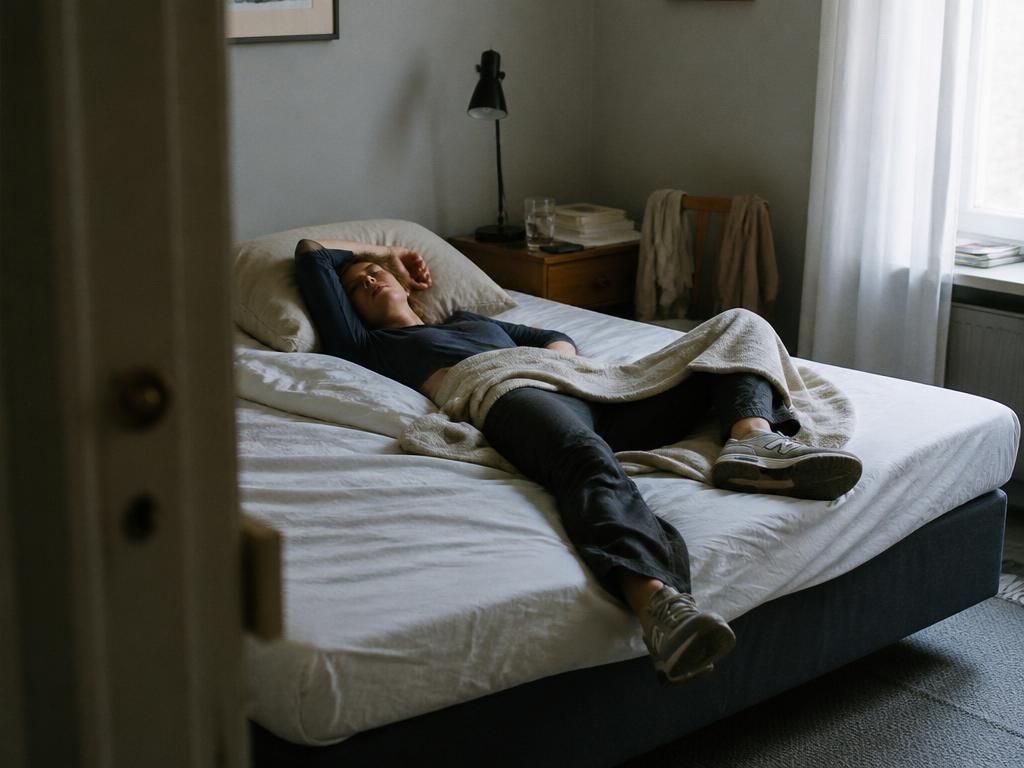
Naps get a mixed reputation: a guilty pleasure to some, a secret weapon to others. The honest answer is that a nap can be either, depending on how long you sleep and when you do it.
The ideal nap length
The single biggest factor in whether a nap leaves you refreshed or groggy is how long it lasts. A short nap keeps you in lighter stages of sleep, which is easy to wake from. Sleep too long and you slip into deeper sleep, where waking feels like being dragged up from the bottom of a pool — heavy, foggy, and slow to clear.
That groggy, disoriented feeling has a name: sleep inertia. It usually passes, but it can leave you feeling worse than before you lay down, which is why “I’ll just close my eyes for a bit” sometimes backfires.
As a gentle guide:
- A brief nap tends to refresh without much grogginess — enough to take the edge off tiredness.
- A longer nap is more likely to leave you groggy on waking and may make it harder to fall asleep that night.
If you do wake up foggy, give yourself a little time, some light, and movement before judging how the nap went. The fog usually lifts within a while.
Best timing in the day
When you nap matters almost as much as how long. The body has a natural dip in alertness in the early afternoon — that familiar post-lunch slump — which makes it a natural window for a short rest.
Napping later in the day is where trouble tends to creep in. The closer a nap sits to bedtime, the more it borrows from your nighttime sleep. By evening, you’ve built up a healthy “pressure” to sleep over the course of the day; a late nap releases some of that pressure, so you reach bedtime less sleepy and take longer to drift off.
A few simple timing principles:
- Aim for the earlier part of the afternoon rather than late in the day.
- Keep naps well clear of the evening so they don’t compete with bedtime.
- If you’re someone who struggles to fall asleep at night, experiment with skipping naps for a while and see whether nights improve.
| Nap habit | Likely effect on the night |
|---|---|
| Short, early afternoon | Usually harmless, often refreshing |
| Long, or late in the day | More likely to disrupt nighttime sleep |
When naps signal a bigger issue
An occasional nap is a perfectly ordinary part of a well-rested life. But a sudden, strong, and frequent need to nap can sometimes be a quiet message from your body that nighttime sleep isn’t doing its job.
It’s worth paying attention if you notice:
- You feel you have to nap most days just to function.
- You’re sleeping a normal amount at night but still feel exhausted.
- Daytime sleepiness is creeping into things that matter, like driving or focusing at work.
- The need for naps has changed noticeably and you’re not sure why.
Persistent daytime tiredness, despite enough time in bed, can have many causes — some simple, some worth checking. If that sounds familiar, it’s a good idea to mention it to a doctor rather than trying to nap your way through it. Reliable daytime energy usually starts with consistent, good-quality sleep at night, and a professional can help you get to the root of why that might be missing.
The bottom line
Naps aren’t inherently good or bad — they’re a tool, and like any tool, the result depends on how you use it. Keep them short and earlier in the day, and a nap can be a gentle pick-me-up. Lean on long or late naps, and they may quietly eat into your night. If you find you can’t get through the day without one, treat that as useful information and check in with a professional.