
How to Get Back on Track After Breaking a Streak
Dropping the all-or-nothing mindset so a single missed day doesn't quietly end the whole habit you worked to build.
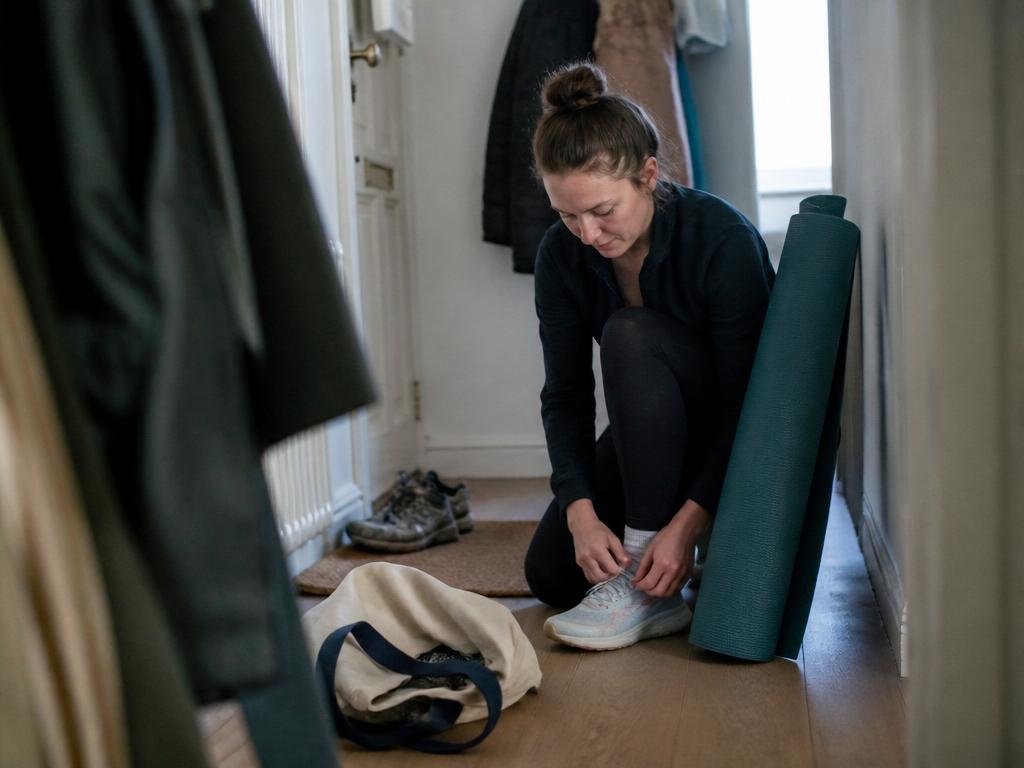
You kept the habit going for weeks, then missed a day — and somehow that one slip turned into giving up entirely. If that sounds familiar, the problem usually isn’t the missed day. It’s what we tell ourselves about it afterward.
Why streaks can backfire
Streaks are motivating, and there’s nothing wrong with enjoying a long run of consistency. But they carry a hidden trap: the longer the streak, the more it can feel like the streak itself is the point, rather than the habit. And once a streak breaks, an all-or-nothing voice often whispers that the whole thing is ruined.
That voice tends to follow a familiar, defeating logic. I missed today, so my perfect record is gone. I’ve blown it. What’s the point now? From there, one missed day becomes two, then a week, and a habit you genuinely valued quietly dissolves — not because of the single lapse, but because of the story that a lapse means failure.
The truth is far gentler. A habit is the sum of all the times you do it, not a fragile chain that one gap destroys. Missing once changes almost nothing in the long run. What actually matters is how quickly and kindly you return. Seen clearly, a single off day is a tiny blip in a much longer pattern — unless you let it convince you to quit.
The “never miss twice” rule
One of the most useful ideas for staying on track is a simple, forgiving rule: it’s fine to miss once, but try never to miss twice in a row. This small principle does something clever — it builds in room for being human while protecting the habit from quietly unraveling.
Missing a single day is normal and inevitable. Life interrupts; some days just don’t go to plan. The danger isn’t the first miss — it’s the second, because that’s where a one-off lapse starts hardening into a new pattern of not doing the habit. By making “get back to it the very next time” your only rule, you keep slips from snowballing.
In practice, this looks like:
- Treat one miss as a non-event. No guilt, no story, no verdict on your character. You simply missed once.
- Make the return the priority. Your single job is to do the habit at the next opportunity, however small a version.
- Shrink it to get back on. If the full habit feels daunting after a gap, do a tiny version just to re-establish the rhythm.
| Mindset | What follows |
|---|---|
| ”I broke the streak, so it’s all over” | One miss becomes many; the habit fades |
| ”Never miss twice — back to it tomorrow” | The lapse stays a blip; the habit holds |
The shift is subtle but powerful: you stop aiming for a flawless, unbroken record and start aiming for quick, reliable recovery. That’s a standard you can actually keep for years.
Self-kindness as a strategy
It’s tempting to think that being hard on yourself after a slip will keep you disciplined. In reality, harsh self-criticism tends to backfire. Piling on guilt and shame after a missed day usually makes you feel worse, more discouraged, and less likely to get back to the habit — not more.
Self-kindness isn’t soft or indulgent here; it’s strategic. Treating a lapse with understanding rather than judgment keeps your motivation and momentum intact, which is exactly what you need to return. When you respond to a miss the way you’d respond to a friend’s — “That’s okay, it happens, just pick it back up” — you stay in a frame of mind that makes continuing easy.
A few gentle ways to put this into practice:
- Talk to yourself like a friend. Swap the inner critic for the encouragement you’d offer someone you care about.
- Separate a lapse from a collapse. One missed day is a moment, not a meaning. It says nothing about whether you can keep going.
- Refocus forward, fast. Instead of dwelling on the miss, put your attention on the next small step.
- Expect imperfection. Plan for the fact that you will miss sometimes. A habit built to survive lapses is far sturdier than one that demands perfection.
This compassionate approach tends to make habits more durable, because it removes the shame spiral that ends so many of them. You’re not trying to be a person who never slips. You’re becoming a person who slips, shrugs, and gently carries on.
The bottom line
Streaks can motivate, but the all-or-nothing thinking they breed is what really kills habits — one missed day, one defeating story, and you quit. Aim instead to never miss twice, treating a single lapse as a non-event and the quick return as your only job. Meet your slips with kindness rather than criticism, and you’ll keep the momentum that lets a habit survive being human.